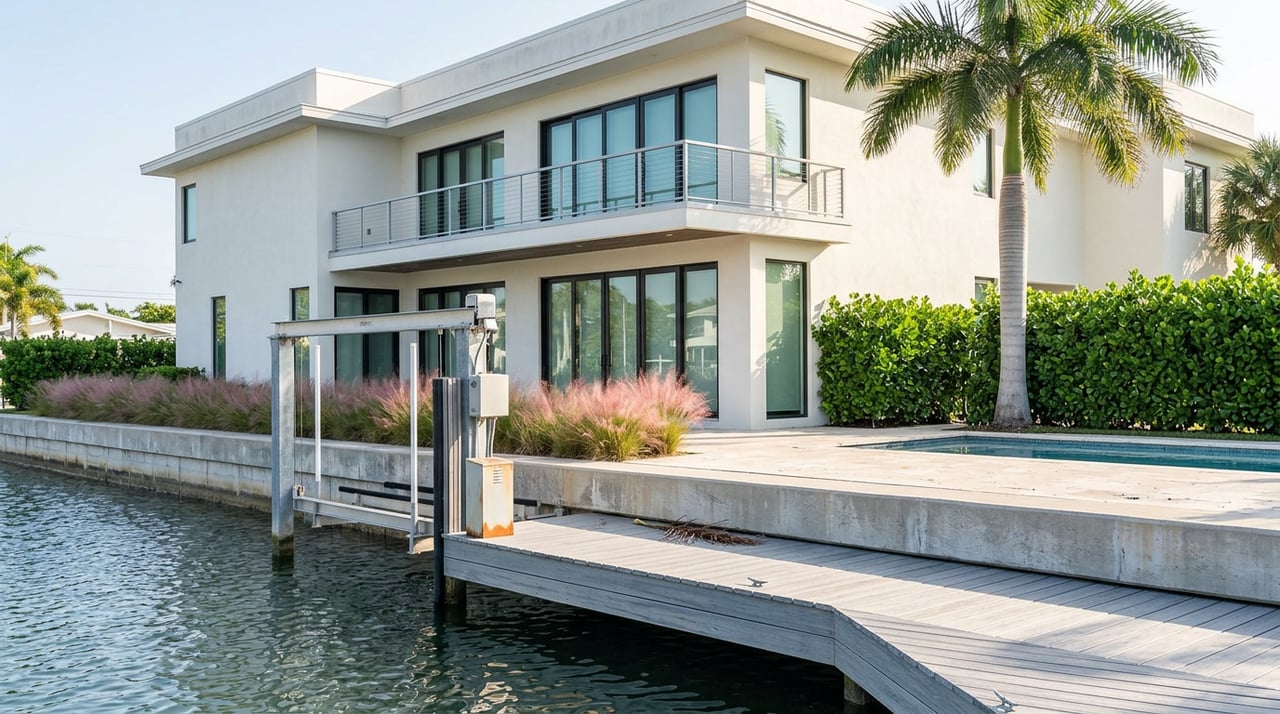
Two numbers came out of Tierra Verde this year, and they cannot both be describing the same market.
In January 2026, the island's median sale price hit $1.1 million, up 16.2 percent from a year earlier. Read in isolation, that looks like a market on fire. But only seven homes sold that month, the same count as the January before, and the average time to close stretched from 20 days to 226. Meanwhile, a separate rolling three-month snapshot covering May through July 2026 showed something closer to fatigue: 10.8 months of supply, a median of 157 days on market, and list prices down by double digits even as closed values kept climbing. Pending sales nearly doubled year over year and new listings surged, but the number of homes actually selling barely moved.
A market cannot be simultaneously appreciating 16 to 20 percent and correcting on list price. What it can be is two markets, reported as one, because Tierra Verde is not a single price tier. It is a small island with a handful of seven and eight figure bayfront estates sitting inside the same MLS pull as modest inland ranches and low-rise condos. When four or five ultra luxury closings land in a thin monthly sample, they drag the median wherever they want. The rest of the inventory, the canal-front homes and condos that make up most of what is actually for sale, is doing something much closer to what agents describe when they talk about a slow seller's market: plenty of interest, longer negotiations, and sellers who are cutting their asking price to get a deal done. As of that same window, the average sale-to-list ratio sat just under 92 percent, which tells you negotiation is very much part of the process even as the median keeps rising.
If you are comparing Tierra Verde to Snell Isle or another Pinellas waterfront pocket using nothing but the median you saw on a portal, you are comparing a number shaped by a handful of outliers, not the market you would actually be shopping in.
The island is really three markets
Anyone reading Tierra Verde as one price tier is going to misjudge both what a home costs and how long it will take to sell. The island splits cleanly into three tiers, and each behaves differently.
| Segment | Typical price range (as reported in current listings) | What defines it |
|---|---|---|
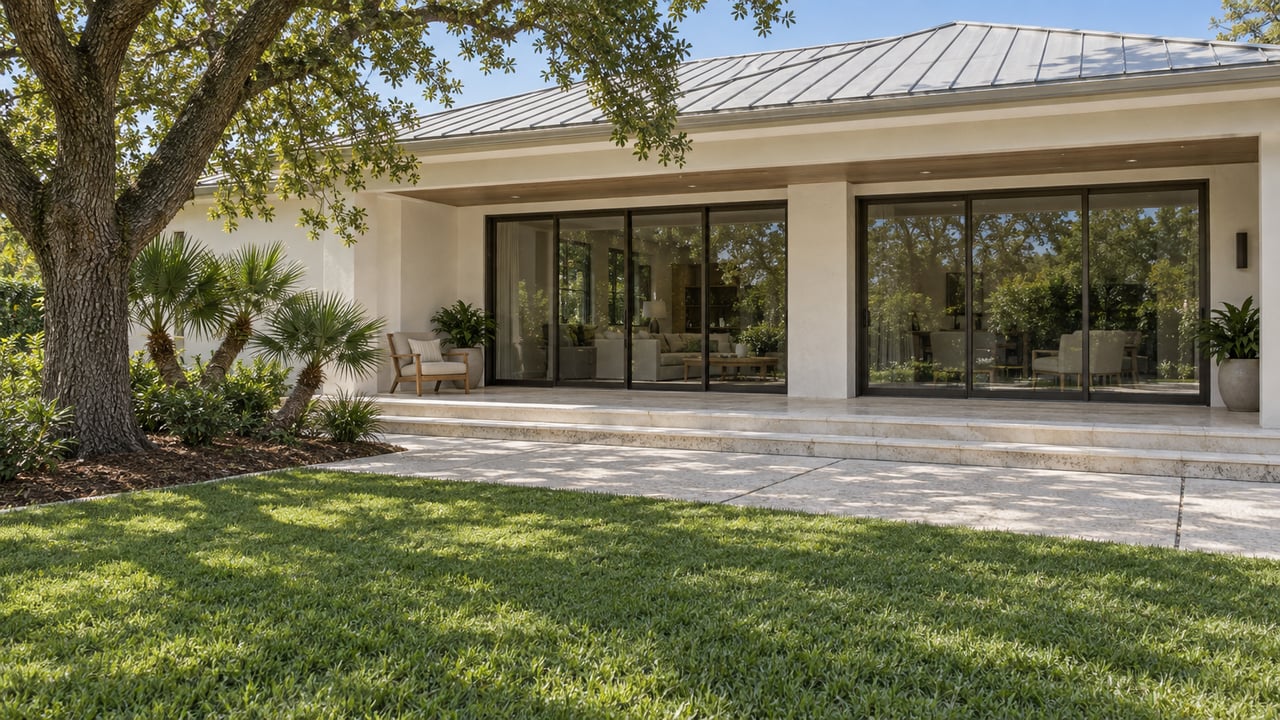
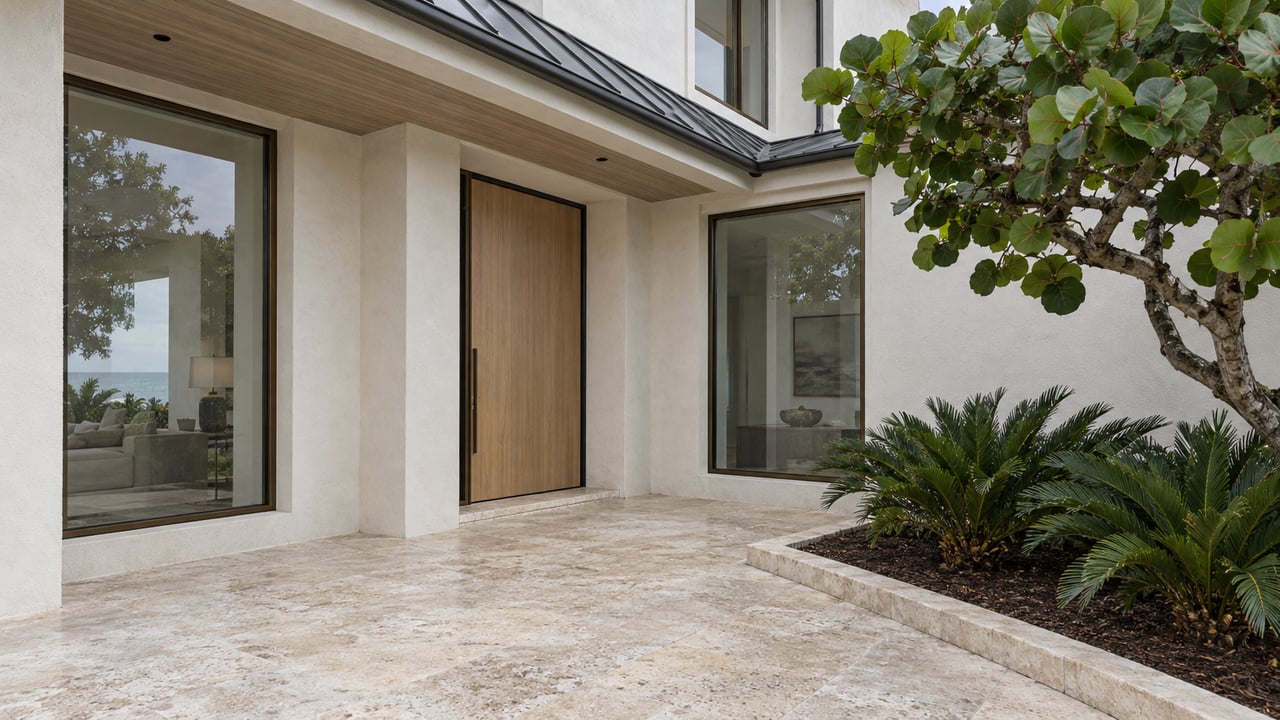
| Bayfront and Grand Canal estates | Roughly $2M up to $11M | Direct open water or deep-water canal frontage, private dock, canals running 150 to 350 feet wide and up to 15 feet deep |
| Canal-front homes and condos | Roughly $370K to $3.3M | Dock or lift access to the canal system without open-bay frontage, communities like Sands Point, Green Land Preserve, and low-rise buildings such as Wander Residences |
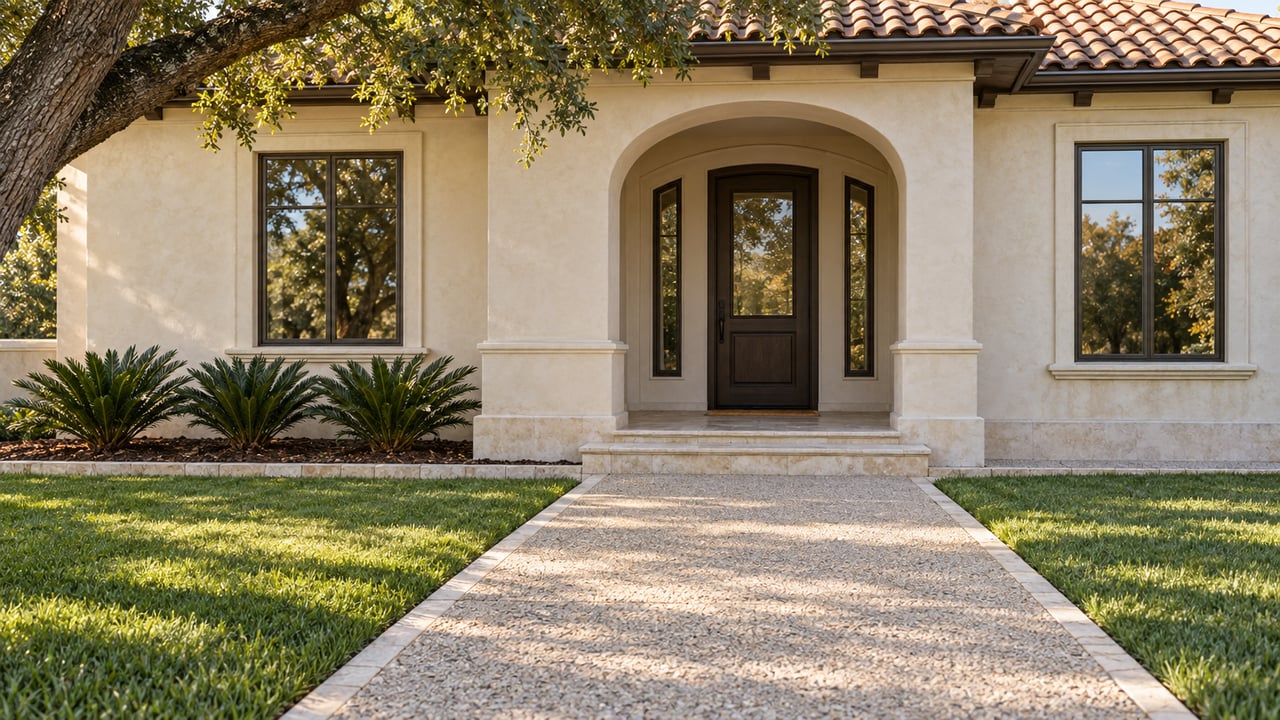
| Inland, non-waterfront | Priced below both waterfront tiers | Interior lots without dock rights, on quieter interior streets away from the canal system |
As of March 2026, the island-wide median sale price sat closer to $789,000, with a typical home spending around 74 days on market and selling at roughly 95 percent of list. That number is a far better description of the middle of the market than the January figure, because it reflects a fuller sample rather than a handful of headline-grabbing closings. It also explains why a buyer touring Sands Point, where custom homesites are being marketed with stamped architectural plans and completed soil testing for a fast build timeline, is having a completely different experience than a buyer touring a bayfront estate on 100 feet of open water with a deep-water dock. Both are technically Tierra Verde. Neither is the median.
Why the condo side needs a second look this year
Of the roughly 45 residential communities on the island, 37 are waterfront condo complexes, ranging from Wander Residences to Cove on the Gulf, a boutique complex on the Grand Canal where units come with a slip and a 10,000 pound lift. That density of condo inventory matters more in 2026 than it did two years ago, because Florida's post 2022 condo safety reforms have moved from paperwork to bills.
SavingAdvice reports that since January 1, 2026, the grace period on the state's structural reserve requirements has ended. Associations that spent years voting to waive full reserves, keeping monthly dues artificially low, are now required to fund a properly studied reserve for major structural items, and many are catching up all at once. That is why you increasingly see condo listings on the island lead with a line like "association fully funded, no current assessments," or spell out that the docks were installed in 2022 and the seawall in 2019. That language used to be a nice-to-have. It is now one of the first things a buyer should verify rather than skim past, because it is telling you whether the building already absorbed its reserve catch-up or whether that bill is still coming.
The practical version of this for a buyer is straightforward. Ask for the most recent reserve study, not just the current budget. Ask whether the building has completed its structural integrity review. Ask directly whether any assessment is pending, approved, or under discussion, since a healthy-looking monthly fee can still be sitting in front of a large one-time bill.
What this means if you are actually comparing neighborhoods
If you are cross-shopping Tierra Verde against another Pinellas waterfront community, the first useful question is not "what's the median price" but "what tier of Tierra Verde am I actually looking at, and how long has that tier been sitting." An inland home and a bayfront estate can carry the same neighborhood name and behave like entirely different assets. One might move in under three months at close to asking. The other might sit past six months while the seller adjusts.
The second useful question, specific to this year, is whether the building you are considering has already worked through its reserve funding requirement or is heading into one. A condo advertised as fully funded with no current assessments is not just a marketing line. In this market, it is the single fastest way to separate a property that has already absorbed its 2026 costs from one that has not.
None of this means Tierra Verde is cooling in any simple sense. It means the headline median is doing exactly what small, thin, high-value markets always do: reflecting whoever happened to close that month, not the broader trend underneath it.
FAQ
Is Tierra Verde currently a buyer's market or a seller's market? The data from mid-2026 leans toward sellers on paper, since more homes are going pending than a year ago, but the pace is slow. With supply near 11 months and homes sitting a median of over 150 days, the practical experience for most buyers looks closer to a negotiation than a bidding war, reflected in a sale-to-list ratio just under 92 percent.
Why would list prices fall while sale prices rise? The two metrics are measuring different things. List price reductions reflect sellers repricing homes that are not moving. The median sale price reflects whichever homes actually closed that period, and a handful of large waterfront transactions can pull that number up regardless of what is happening with the broader, slower moving inventory.
Do all Tierra Verde condos face the new reserve requirements? Florida has structural reserve rules. Every building's history is different, which is exactly why a reserve study and a direct answer on pending assessments matter more this year than a listing's monthly fee alone.
What separates a canal-front property from a bayfront one here? Canal-front homes and condos in the general canal tier sit along the island's engineered waterways, typically 150 to 350 feet wide and up to 15 feet deep, with dock or lift access to Boca Ciega Bay and the Gulf. The Bayfront and Grand Canal estate tier is distinguished by direct open-water or deep-water canal frontage and commands the highest and most volatile prices on the island.
If you are trying to figure out which version of Tierra Verde actually fits your search, or how a specific building's reserve position stacks up before you write an offer, Kelli Welch can walk the current inventory with you tier by tier. Let's curate your next move.
This article is general information, not legal, tax or financial advice. Consult a qualified professional about your situation.